Pingjiang Road
Pingjiang Road is a historic street built along the Pingjiang River in the northeastern part of Gusu District, Suzhou City, Jiangsu Province. Stretching 1606 meters from Northeast Street in the north to Ganjiang East Road in the south, it covers an area of approximately 116.5 hectares. It is the best-preserved historical and cultural conservation area of Suzhou's ancient city, a microcosm of the city, and has witnessed over 2500 years of history. Hence the saying, "A city of Gusu, half a poem of Jiangnan; a road like Pingjiang, half a city of Gusu."
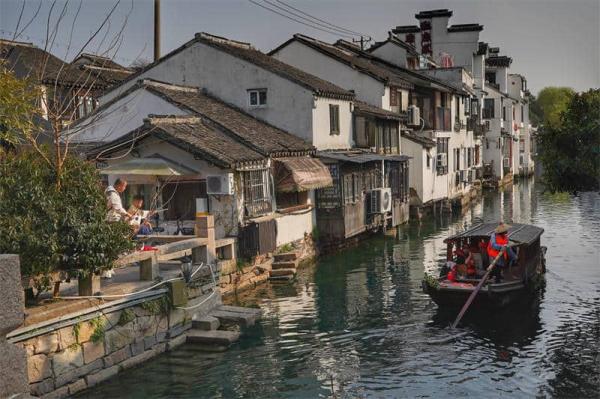
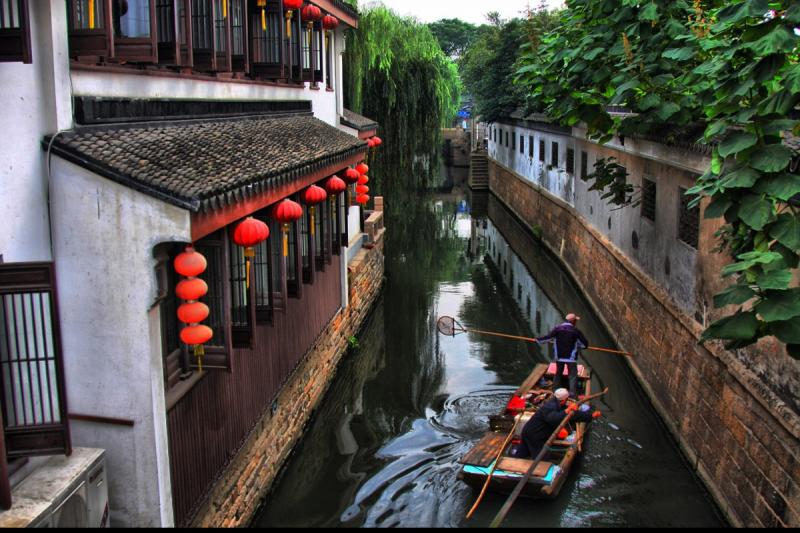
Pingjiang Road is flanked by alleys such as Xuanqiao Alley, Daru Alley, Zhongzhangjia Alley, and Daxinqiao Alley, with several waterways preserved, especially on the eastern side. Its overall layout is largely consistent with the Southern Song Dynasty map of Pingjiang, maintaining a double chessboard pattern of "parallel waterways and streets" and the typical Jiangnan water town features of "small bridges, flowing water, white walls, and black tiles."
The area currently houses the World Heritage Site, Couple's Garden (Ouyuan Garden), and retains over 8000 original residents, forming an open-air museum of Jiangnan urban architecture. In addition, there are intangible cultural heritage exhibition venues such as the Kunqu Opera Museum and the Pingtan Museum. In 2023, Pingjiang Road won the Gold Award for Best Historical and Cultural Tourism Project at the 12th Edia Awards.
Pingjiang Road is a must-see on your Suzhou cultural-themed travel, and a great place to sample local cuisine and buy souvenirs.
Essential Suzhou Pingjiang Road Facts
Pingjiang Road and the Pingjiang Map
The Pingjiang Map, carved on a stone stele 800 years ago in the second year of the Shaoding era of the Southern Song Dynasty (1229), is the world's oldest extant stone-carved city map, presenting a well-planned and clearly defined city of Pingjiang Prefecture during the Southern Song Dynasty.
On the Pingjiang Map, six main waterways crisscrossed with tributaries stretching over a hundred miles, and 359 bridges of varying shapes intertwined, connecting the water-divided streets; 65 prominent ward markers indicated the remnants of the neighborhood system; important buildings such as government offices, temples, warehouses, and gardens were all accurately marked.
Comparing today's Pingjiang Road with the Pingjiang Map reveals a remarkable consistency in the bends of the rivers, the locations of ancient bridges, and even the scale of the main streets and alleys.
Highlights of Pingjiang Road: Water Lanes, Dwelling Houses...
Riverside Alley
Pingjiang Road is a riverside alley, connecting the Humble Administrator's Garden to the north and overlooking the Twin Pagodas to the south. It's a classic waterway in Suzhou with a long history. Separated from Guanqian Street by only one alley, its tranquil and rustic atmosphere contrasts sharply with the bustling city just steps away. Compared to Shantang Street, another old street in Suzhou, Pingjiang Road lacks commercialism and has preserved its old-world charm.
>> Keep reading The Most Beautiful Historical Streets in China
Traditional Residential Buildings
Pingjiang Road retains a large number of old-style residences, and it's rare to see high-rise buildings and reinforced concrete structures in the distance. The houses on the west side of the river are mostly built along the water, with white walls, gray tiles, wooden lattice windows, and the wood is mostly reddish-brown or dark brown, giving them a clean and simple look. The exterior walls are often mottled, yet they resemble faded paintings. Vines and creepers grow from the peeling paint. The craftsmen of Jiangnan have brought the aesthetics of Suzhou gardens to their fullest potential.
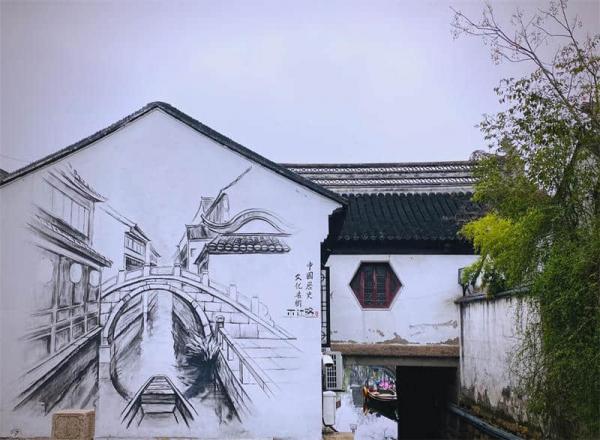
At No. 33 Niujia Lane, Pingjiang Road, nestled within a 200-year-old mansion, lies the "Boat House," a secluded old residence built during the Jiaqing period of the Qing Dynasty. It still retains well-preserved carved doors and windows, and wooden floors.
Ancient Bridges
Strolling along Pingjiang Road, you'll discover numerous stone bridges. From Northeast Street in the north to Ganjiang Road in the south, there are a total of 17 bridges, including Yuan Bridge, Sipo Bridge, Shou'an Bridge, Jiqing Bridge, Qingshi Bridge, Zhong'an Bridge, Xin Bridge, and Zhuma Interchange Bridge (legend has it that it was first built during the Spring and Autumn Period, and that Ma Houwang Heng, the personal bodyguard of Yue Fei during the Song Dynasty, died here).
Gourmet Food
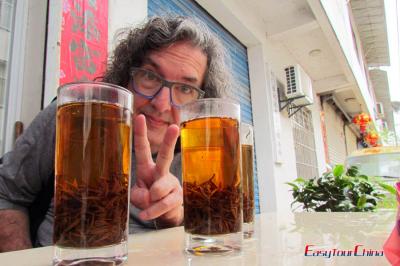
Besides its historical significance, Suzhou’s Pingjiang Road is also renowned for its food. Along the old street, local residents, dressed in traditional Jiangnan clothing, sell their wares, including osmanthus cake, fermented rice balls, fresh meat mooncakes, begonia cake, bamboo tube glutinous rice cakes, and large bowls of tea.
The restaurants size mainly serve authentic Suzhou cuisine, such as: Squirrel Fish, Crab Roe Tofu, Sweet and Sour Pork Ribs, Sweet and Sour Fish, Braised Pork Knuckle, and Century Egg and Lean Pork Congee.
>> Further explore Suzhou Food and Restaurants
What to See on Pingjiang Road: Top Attractions
Stele Pavilion
This is an antique-style pavilion housing a replica of the "Pingjiang Map Stele." the original stele is now housed in the Suzhou Stele Museum.
Suzhou Zhuangyuan Museum
The Suzhou Zhuangyuan Museum is located in the former residence of Pan Shi'en, who was the top scholar (Zhuangyuan) during the Qianlong era of the Qing Dynasty. Pan Shi'en's former residence, with over 200 years of history, is a typical Suzhou-style garden building.
The museum is divided into four exhibition halls: the Sedan Chair Hall, the Gauze Hat Hall, the Mandarin Duck Hall, and the Rear Hall, each connected by a beautifully landscaped courtyard.
China Kunqu Opera Museum
The Kunqu Opera Museum, formerly the Quanjin Guild Hall, is the best-preserved of over a hundred guild halls and public halls in Suzhou. Built during the Guangxu period of the Qing Dynasty with funds raised by Shanxi merchants residing in Suzhou, it boasts a grand scale and showcases the exquisite and magnificent architecture of the Jiangnan region.
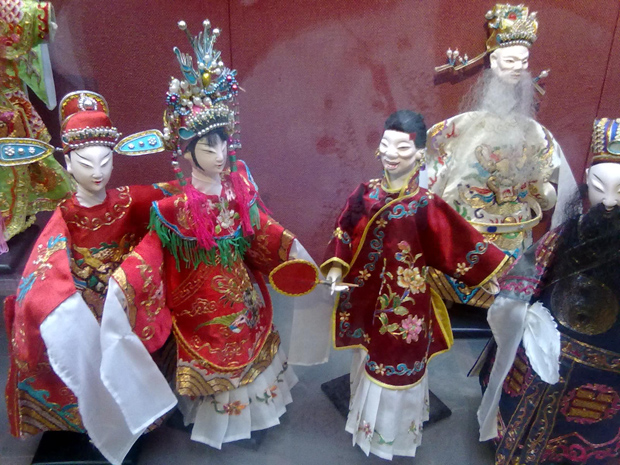
The museum houses over 30,000 volumes of cultural relics, ancient books, and precious historical materials related to Kunqu Opera, Suzhou Opera, and other theatrical genres.
Suzhou Pingtan Museum
Originally the Shen family residence from the late Qing Dynasty to the early Republic of China, it has been transformed into a venue for showcasing Pingtan art. Spanning 839 square meters, the museum houses over 12,000 precious historical materials related to Pingtan, as well as hundreds of rare Pingtan scripts and plays.
Suzhou Urban Construction Museum (Ligeng Hall)
The Suzhou Urban Construction Museum was the residence of Pan Linzhao, a wealthy merchant during the Qing Dynasty. It is one of the best-preserved ancient residences in Suzhou, renowned for its deep courtyards and exquisite gate towers, and hailed as an outstanding example of residential architecture in the Jiangnan region since the Qianlong and Jiaqing periods.
The Suzhou Urban Construction Museum was converted from Pan's residence, Ligeng Hall, preserving its original layout and axis. It is divided into seven exhibition halls showcasing the historical memory of Suzhou.
>> Explore 10 Best Museums in China
Suzhou Fan Museum
The Suzhou Fan Museum is dedicated to the collection, preservation, and research of Suzhou fan culture. The museum houses a vast collection of handcrafted fans and works by renowned artists, including complete fans and carved fan ribs from both ancient and modern times, as well as fan leaves, round fans, sandalwood fans, wooden fans, and feather fans.
Besides the fans themselves, the museum also exhibits fan-related accessories such as fan pendants, fan boxes, and fan bags, as well as ancient fan-making tools and a large collection of books, periodicals, and photographic materials.
Garden of Couple's Retreat
Couple Garden Retreat is located deep within Xiaoxinqiao Lane on Cang Street in Pingjiang Road. Its predecessor was the "She Garden," established in the early Qing Dynasty, which was later destroyed by war. In 1874, during the reign of Emperor Tongzhi, Shen Bingcheng, the Suzhou-Songjiang-Taicang Circuit Intendant, purchased the garden while recuperating in Suzhou and renovated it.
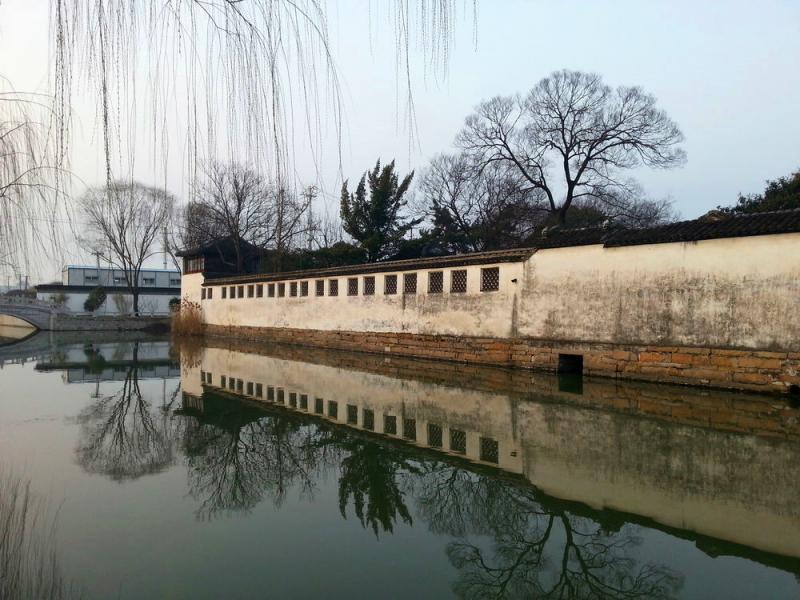
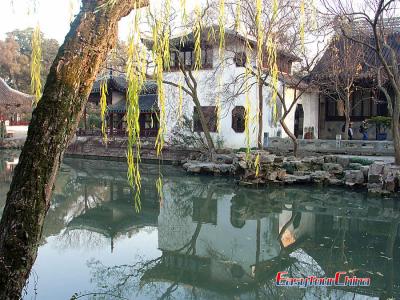
Today, Couple Garden Retreat not only retains the charm of a classical garden but also incorporates the exquisite architecture of the Qing Dynasty, featuring white walls and black tiles, and flowing streams and bridges.
Suzhou Museum
Its most valuable exhibits include the "Thirty-One Scenic Views of the Qozi Garden" by Wen Zhengming from the Ming Dynasty, as well as the reclining bed (carving Suzhou-style garden patterns).
There are also special experiences - in the museum's tea room, you can enjoy Biluochun tea paired with crab paste soup dumplings.
>> Recommended Suzhou tours with Pingjiang Road
How to Tour Pingjiang Road: Our Suggested Route
Start your journey from the northern entrance. First, visit the free-opened Zhuangyuan Museum. Walk for 5 minutes to Couple Garden Retreat. Why not take photos in traditional Chinese clothing?
Taste Suzhou cuisine. For lovers of Chinese noodles, Shrimp Noodles or Braised Meat Noodles are the top choices.
Then, take a rowing boat (CNY40 yuan per person) on Baoli Bridge. Next, visit a tea house along the river to enjoy tea and listen to Kunqu Opera or Pingtan performances.
>> Recommended 20 Days China Tea Discovery
How to Get to Pingjiang Road
From Suzhou Railway Stations
Of Suzhou's four high-speed rail stations, Suzhou Station is the closest to Pingjiang Road, approximately 3 kilometers away as the crow flies. A taxi ride would take about 7 kilometers and 21 minutes, costing approximately 22 yuan.
The crow flies from the other three high-speed rail stations to Pingjiang Road are as follows: Suzhou Industrial Park Station (7.5 km) < Suzhou North Station (12.5 km) ≈ Suzhou New District Station (13 km).
By Metro
Within Suzhou city, you can take Metro Line 1 or Line 6 to Lindun Road Station, Exit 5, and walk north for about 200 meters to reach the Pingjiang Road historical district.
Alternatively, take Subway Line 1 to Xiangmen Station, Exit 3, and walk west for about 400 meters to reach the Pingjiang Road historical district.
By bus
Buses arriving at Pingjiang Road Station: 204, 301, 305, 313, 9009, 9029.
Buses arriving at Xiangmen Station: 2, 9, 32, 40, 60, 200, 511, 900, 923, 980, Night 2.