China National Tea Museum in Hangzhou: Steeped in History
Table of Contents
- 1. Quick Hangzhou National Tea Museum Facts
- 2. What to See: Top Highlights in China National Tea Museum in Hangzhou
- 3. Best Things to Do for an Immersive Experience
- 4. Travel Tips for Your Visit
- 5. How to Get to China National Tea Museum in Hangzhou
- 6. Explore Hangzhou with Easy Tour China
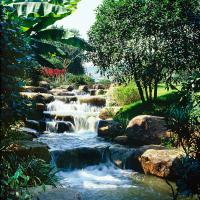
Nestled in the lush, tea-scented hills near West Lake, the China National Tea Museum in Hangzhou offers a serene escape and a deep dive into the heart of Chinese tea culture.
China National Tea Museum is the only museum themed with tea and tea culture in mainland China, so in here, you can learn about the culture and history of tea in China, admire exhibits about tea, sample tea, watch tea ceremony performance, learn tea art, and enjoy pleasing scenery of tea plantations.
Furthermore, the China National Tea Museum offers a great chance to learn about the tea art with a firsthand experience, and that may be the reason that many G20 Leaders’ wives have paid a visit to this museum on their Hangzhou tour in September 2016. This museum expresses a warm welcome to people from all directions, particularly tea lovers.Quick Hangzhou National Tea Museum Facts
In Chinese: 中国茶叶博物馆
Established: 1991
Tickets: Free
Opening Hours: May 1-October 7: 9:00-17:00; October 8-April 30: 8:30-16:30 (closed on Monday; open on public holidays)
Size: Covers 22,000 sq meters with 3,500 sq meters of exhibition space.
Suggested Visiting Duration: 2-6 hours
Best For: Tea enthusiasts, families with kids, and anyone seeking a peaceful retreat.
What to See: Top Highlights in China National Tea Museum in Hangzhou
The China Tea Museum Hangzhou is designed to harmonize with its natural surroundings. There are countless interesting highlights waiting for your discovery, like the variety of tea, tea ceremony, tea stories, tea plantations, etc. Just go and find your likes!Tea History & Culture Halls
The National Tea Museum comprises two exhibition halls. The Shuangfeng Hall, serving as the original exhibition space, focuses more on showcasing Chinese tea culture. Here, visitors can systematically explore Chinese tea culture across the museum’s five main exhibition halls.
Tea History Hall (茶史厅)
This exhibition hall traces history through the lens of millennia-old wild tea trees, presenting cross-sections, trunk specimens, and tea seeds as tangible evidence that China was the first nation to discover and utilize tea.
With the very primitive tea sets of each period, poems about tea, and other exhibits, the brilliant tea culture and history of tea spreading over the world are vividly shown in front of you.
Tea Collection Hall (茶萃厅)
In the Tea Collection Hall, over 300 tea samples from tea-producing regions across the country are processed into vacuum specimens through specialized techniques, categorized by manufacturing methods and quality differences. These include green tea, black tea, oolong tea, yellow tea, white tea, dark tea, and processed tea varieties. In this hall, you are welcome to explore these tea specimens while wearing dedicated headphones. By pressing buttons representing each tea sample, they receive bilingual (Chinese and English) explanations detailing the origin, quality characteristics, and other relevant information for each variety.
Tea Information Hall (茶事厅)
This exhibition hall utilizes specimens, images, and text from various parts of the tea plant to showcase scientific and technological content related to tea cultivation and harvesting, the biological morphology of tea, processing techniques, the art of brewing, tea collection, tea and health, and China's major tea-producing regions.
Tea Customs Hall (茶俗厅)
The Tea Customs Hall showcases representative regional tea traditions across China. Through vividly recreated scenes, it narrates the daily lives of ethnic groups who cherish and enjoy tea. These include Tibetan butter tea gathering places, Dai bamboo-house roasted tea ceremonies in Yunnan, Sichuan teahouses, and the flourishing tea trading houses of the Huizhou merchants during the Ming and Qing dynasties.
Tea Sets Hall (茶具厅)
Here, you can admire the diverse sorts of tea sets from different periods in China. Teapots, teacups, tea containers, teaspoons, and so on that are made of gold, silver, copper, and jade, and irony, from the Neolithic period to modern times, are so delicate in different shapes, giving you a chance to know about the change of their looks and functions.
The Tea Kaleidoscope
The Longjing Hall opened in 2015. Unlike Shuangfeng Hall, this exhibition hall focuses on showcasing global tea culture; this exhibition space focuses on showcasing global tea culture, illustrating how tea spread from China to the world and highlighting diverse tea traditions across different regions.
Best Things to Do for an Immersive Experience
The Hangzhou National Tea Museum encourages hands-on learning.
Participate in a Tea Tasting
This is the top highlight in the museum. In Shuangfeng Hall, it offers a free tasting area where you can sample all six major Chinese tea categories—green tea, black tea, white tea, yellow tea, dark tea, and oolong tea—in one visit.
>> Recommended 12 Days China Tea Culture Tour
Additionally, you may take home a complimentary rice husk tea cup as a souvenir of your Hangzhou travel.
Join a Tea Ceremony Workshop
Every Saturday morning from 9:30 to 11:00, the China National Tea Museum hosts a tea tasting event. While enjoying the Chinese tea ceremony, volunteers from the museum will share fascinating facts about tea.
Try Your Hand at Tea Processing
From early March to late May each year during the tea-picking season, the museum hosts its annual tea-picking experience.Upon arrival at the tea garden, staff will provide tea-picking gear such as sun hats, arm sleeves, and headscarves. Under professional guidance, you will learn proper tea-picking techniques and experience the tea-making process.
Stroll the Scenic Grounds
The museum itself is a landscape masterpiece. Near the museum lie Longjing Tea Plantation Village and the Jiuxi Yanshu Scenic Area. You can hike along the tea mountains and streams on this 9-kilometer route, allowing you to fully appreciate the scenic beauty of Jiangnan’s landscapes.
>> Recommended 3 Days Hangzhou Walking Tour
Travel Tips for Your Visit
Best Time to Visit
Spring (March-May) is an ideal season to visit. The weather is pleasant, and you will witness the spring tea harvest.
Dress Comfortably
Please remember to wear comfortable shoes for walking on the museum’s sloping paths and through the gardens, especially if you want to go hiking.
Where to Buy Souvenirs
If you are very interested in Chinese tea and the fancy tea sets, China National Tea Museum offers different stores for you to buy these souvenirs that you can give to your people as gifts.
How to Get to China National Tea Museum in Hangzhou
The National Tea Museum is located within the West Lake scenic area and is easily accessible by public transportation from other Hangzhou cultural attractions.
You can take bus routes 87, 87H, or 27 to Shuangfeng Station or the Tea Museum Longjing Branch stop, then walk for 3 minutes to reach the museum.
Explore Hangzhou with Easy Tour China
The China National Tea Museum in Hangzhou is a jewel in the city’s cultural crown. Surrounding the China Tea Museum are lots of renowned scenic spots. To fully experience Hangzhou city, just let Easy Tour China help you design the perfect itinerary, combining the history of Qinghefang Old Street or a visit to the Lingyin Temple. Here are some recommended Hangzhou itineraries.