Beyond the Bell: Your Guide to Suzhou Hanshan Temple
More than just a Buddhist monastery, Hanshan Temple is a living textbook of Chinese literary and spiritual history. The fame of Hanshan Temple springs from the Tang Dynasty poem written by Zhang Ji, “A Night Mooring by Maple Bridge,” (枫桥夜泊) which captured the beauty of its midnight bell rings.
Today, travelers from all around the world come here not only to see its historic halls and the iconic yellow walls but also to experience the profound sense of peace that has echoed in the temple for centuries. Whether you’re drawn by Buddhist culture or simply a tour of Suzhou’s iconic sites, Hanshan Temple will offer you a unique escape from your busy life.
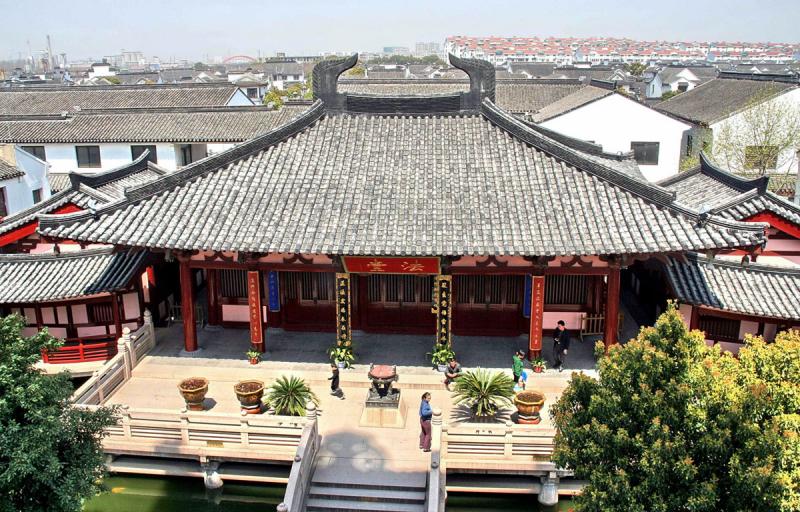
Hanshan Temple Gate Facts
The History & Poetry That Made Hanshan Temple Famous
Hanshan Temple is located in Gusu District of Suzhou city. It was built in the reign of the Liang Dynasty of the Southern Dynasties from AD 502 to 519, and was originally named “Miaoli Puming Temple.” The temple covers an area of about 13000 square meters, with a construction area of more than 3400 square meters.
Its transformation into a cultural icon occurred in the Tang Dynasty. Firstly, it was the legendary monk-poet Han Shan (Cold Mountain), who resided here with his friend and disciple Shide. Their eccentric, enlightened personas became central to the temple’s lore. However, it was a lonely traveler, poet Zhang Ji, who secured the temple’s place in history. His poem “A Night Mooring by Maple Bridge” perfectly captured a moment of quiet introspection:
Moon’s down, crows cry, and frost fills all the sky;
By maples and boat lights, I sleepless lie.
Outside Suzhou Hanshan Temple is in sight;
Its ringing bells reach my boat at midnight.
This verse was studied by every Chinese student and then turned Hanshan temple’s bell into a national symbol of contemplation. It propelled Hanshan Temple, Suzhou, China, from a local monastery to one of the most famous temples in China, deeply embedded in the East Asian cultural consciousness. Its enduring presence makes it a living textbook of Suzhou’s ancient fortifications and a must-see on your Suzhou tour.
>> Recommended 5 Days Highlights Tour of Shanghai & Suzhou for Muslims by AirAsia
What to See & Do at Hanshan Temple
A visit to Hanshan Temple is a journey through architecture, art, and auditory tradition. Here are the highlights not to miss.The Great Buddha’s Hall (大雄宝殿)
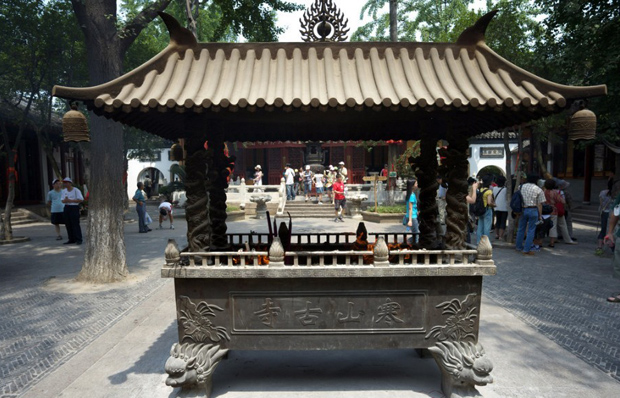
The main hall of Hanshan Temple is five rooms wide and four rooms deep, with a height of 12.5 meters. In the center of the terrace is a copper tripod with a hearth. On the front of the tripod casts characters “一本正经 (solemn)” and on the back is “百炼成钢 (be toughened and hardened into steel),” about a religious story: once there was a dispute between Chinese monks and Taoists to see whose classics could stand the fire.
There is also a set of 18 exquisite iron-gilded Arhat statues from the Ming Dynasty. Unusually, the rear wall features stone carvings of the monks Hanshan and Shide instead of a typical Guanyin statue.
The Bell Tower (Fanyin Tower)
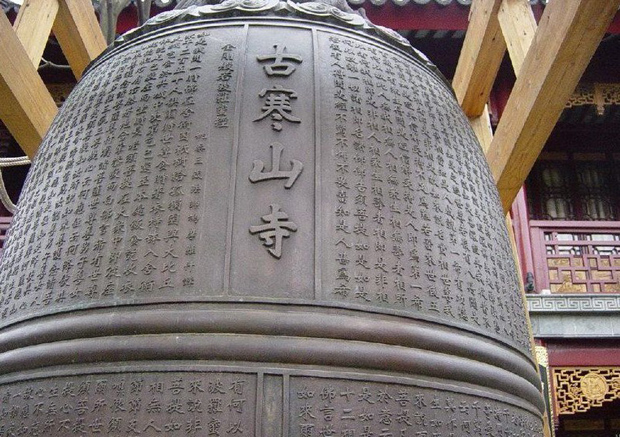
This is the heart of the temple’s fame. The current massive bronze bell, cast in 1906, is a replacement for the one heard by Zhang Ji.On May 19, 2008, Hanshan Temple held the inaugural bell-ringing ceremony for the new bell to pray for the victims of the Sichuan Wenchuan earthquake. In December 2008, the temple’s great bell was recognized by Shanghai Guinness World
Records Headquarters as the world’s largest Buddhist bell.
For a small fee (about CNY 5 for 3 strikes), visitors can personally ring the Hanshan Temple bell, an act believed to bring good fortune.Puming Pagoda
This five-story, 42-meter-tall wooden pagoda, rebuilt in 1995 in Tang Dynasty style, is the temple’s visual centerpiece. Climbing to the top offers panoramic views of the temple’s black-tiled roofs and the surrounding Gusu district.
This pagoda holds two significant historical achievements: First, it ended Hanshan Temple’s 600-year history of having a temple without a pagoda, restoring the temple’s glorious Tang Dynasty splendor. Second, it filled the historical void of Tang Dynasty wooden pagoda architecture disappearing from China, reviving Tang architectural art and revealing to the world the authentic historical origins of Tang-style architecture in China.
The Unforgettable Bell-Ringing Experience
The sound of the bell is Hanshan Temple’s soul. Beyond the daily opportunity for visitors to strike it, the most profound experience occurs on New Year’s Eve in China’s lunar calendar.
For over 40 years, the temple has held a grand “Listening to the Bell” ceremony. As thousands gather, monks strike the bell 108 times, a Buddhist practice symbolizing the purging of 108 worldly troubles and welcoming a peaceful new year.
How to Get to Hanshan Temple
Hanshan Temple is conveniently located about 5 kilometers west of Suzhou’s old city center.
By Metro is the most efficient way. You can take Line 1 to “Sihuan Road” station. From there, it’s a pleasant 20-minute walk to your destination.
Also, you can go by bus. There are many bus lines stop nearby, including 30, 31, 33, 40, which alight at the “Hanshansi”station.Essential Travel Tips for Your Hanshan Temple Visit
Here are some tips for you to have a better travel experience in Hanshan Temple.Best Time to Visit
Hanshan Temple is best for visiting all year round. However, you can visit it on early morning on weekdays to avoid crowds. For a unique experience, you can also plan for its Lunar New Year’s Eve ceremony, and remember to book everything well in advance.
>> Learn more about Suzhou Weather
Local Flavors
Your tour cannot miss the temple’s vegetarian restaurant, which offers simple, tasty vegan food like vegetarian noodles—a perfect way to complete your cultural experience.Additionally, you can spend CNY 108 to savor delicious coffee at the coffee shop inside Hanshan Temple and capture beautiful views of the temple from the second floor of the shop.Discover Suzhou’s Elegance with Easy Tour China
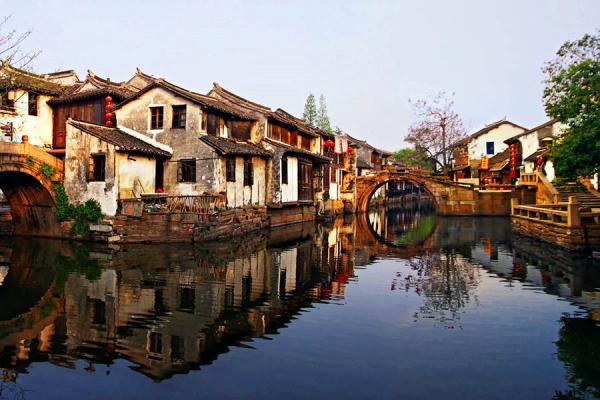
While Hanshan Temple is a profound highlight, it is just one jewel in Suzhou’s crown. The city is famed for its classical gardens, ancient canals, and silk heritage such as Luzhi Ancient Town and the Lion Grove. Just let Easy Tour China craft a seamless journey to Suzhou that blends poetic reflection with timeless beauty for you. Here are some recommended Suzhou itineraries.